
Introduction
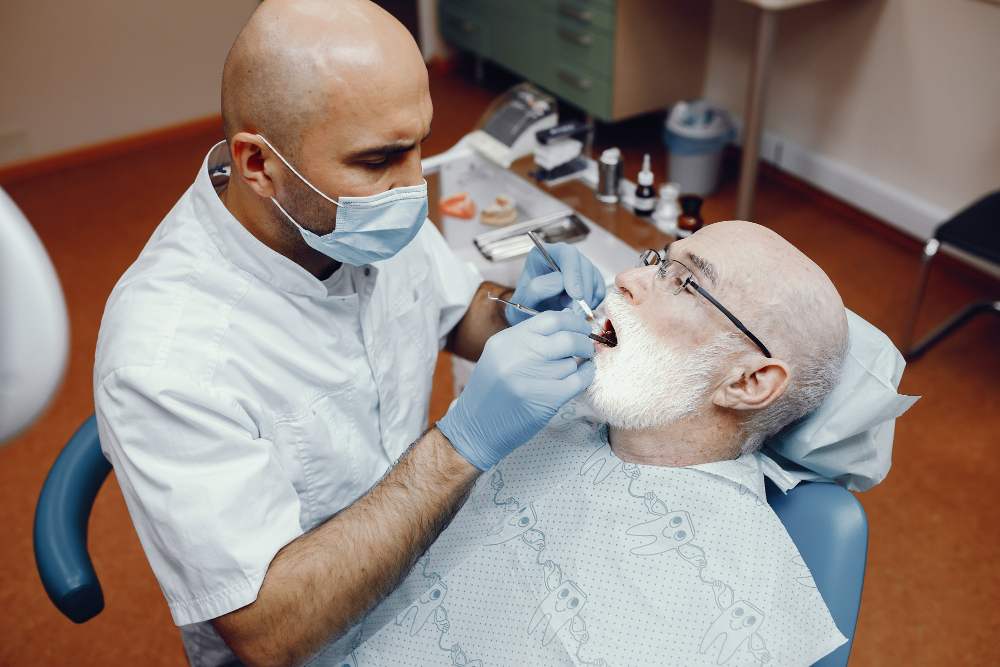
Full mouth rehabilitation with dental implants is a way to restore all your teeth using advanced dental technology. This treatment helps people who have lost most or all of their teeth. Because missing teeth can affect eating, speaking, and confidence, full mouth dental implants offer a lasting solution. In many cases, this approach is called complete dental restoration or dental implant rehabilitation. With modern care, you can regain a healthy, natural-looking smile.
Symptoms and Signs Indicating Need for Full Mouth Rehabilitation
Sometimes, it is hard to know if you need full mouth rehabilitation with dental implants. However, certain signs can help you decide. For example, you may notice:
If you have several of these symptoms, it may be time to consider dental implants for full mouth reconstruction.
Causes and Risk Factors Leading to Full Mouth Rehabilitation
Many things can lead to the need for full mouth dental implants. For instance, common causes include:
Additionally, risk factors like poor oral hygiene, smoking, and some health conditions (such as diabetes) can increase your chances of needing complete dental restoration.
Diagnosis and Evaluation Process
First, your dentist will do a full check-up. They will ask about your health and dental history. Next, they will examine your mouth and take X-rays or 3D scans. Sometimes, they may use special tests to check your bone strength. This helps the dentist plan your dental implant rehabilitation. After the exam, your dentist will discuss the best treatment options for you.
Treatment Process: Step-by-Step Overview of Dental Implants for Full Mouth Rehabilitation
The process for full mouth rehabilitation with dental implants usually follows these steps:
Throughout the process, your dental team will guide you and answer your questions.
Benefits and Expected Outcomes
Full mouth dental implants offer many benefits. For example, you can expect:
Most people feel more confident and enjoy a better quality of life after dental implant rehabilitation.
Potential Risks and Complications
Like any surgery, full mouth rehabilitation with dental implants has some risks. However, most problems are rare and can be managed. Possible risks include:
Choosing a skilled dental specialist lowers these risks. According to the American Dental Association, dental implants are safe and effective for most people.
Recovery, Aftercare, and Lifestyle Guidance
After your dental implants are placed, you will need to follow some care steps. For instance, your dentist may suggest:
With good care, your implants can last many years. Your dental team will give you detailed instructions for the best results.
Prevention and Maintenance Tips
To keep your new smile healthy, follow these tips:
Additionally, avoid habits like chewing ice or using your teeth to open packages. These steps help protect your dental implants for the long term.
Frequently Asked Questions (FAQs)
Conclusion
Full mouth rehabilitation with dental implants can change your life. It restores your smile, comfort, and confidence. If you think you may need complete dental restoration, consult a qualified dental specialist Dr. Vandana Tripathi to discuss if full mouth rehabilitation with dental implants is right for you.