
Introduction
Dental caries, also known as tooth decay, is a common problem worldwide. Many people experience dental caries at some point in their lives. Early care and prevention can help protect your teeth. In this blog, you will learn about dental caries, its causes, signs, diagnosis, treatment, and ways to prevent it. Understanding these facts can help you keep your smile healthy.
What Are Dental Caries?
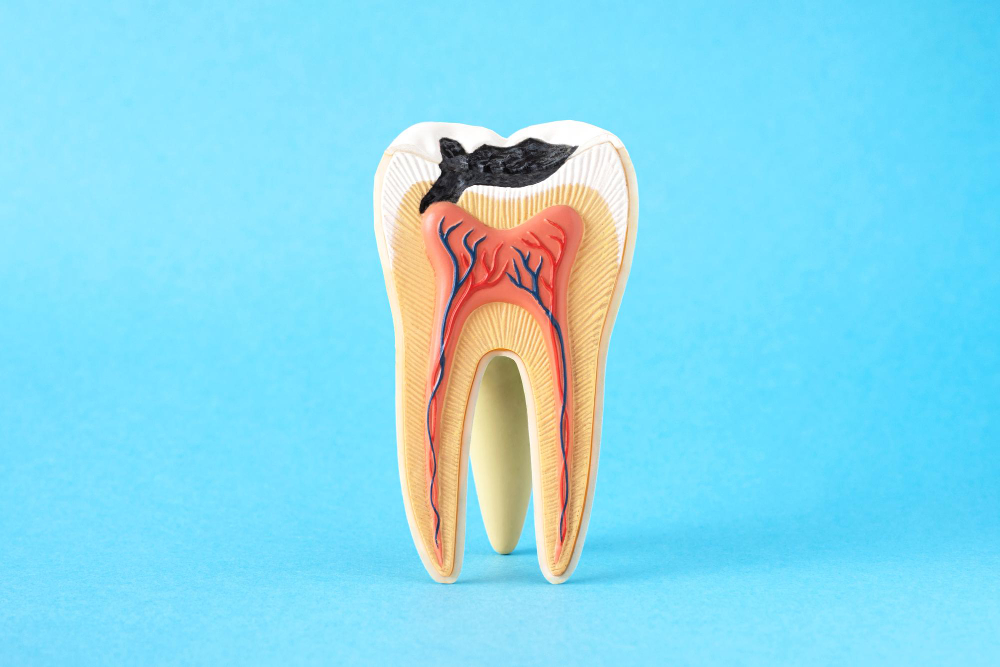
Dental caries are areas of damage on the hard surface of your teeth. These damaged spots are often called cavities. Over time, dental caries can lead to pain, infection, or even tooth loss. The process starts when bacteria in your mouth make acids. These acids slowly break down the tooth’s outer layer, called enamel. If left untreated, dental caries can get worse and affect deeper parts of the tooth.
Causes of Dental Caries
Several factors can cause dental caries. However, the main cause is bacteria in the mouth. These bacteria feed on sugars from food and drinks. As a result, they produce acids that harm the teeth. Over time, these acids create holes or cavities. Other risk factors include:
For example, children and older adults are at higher risk. But anyone can develop dental caries if they do not care for their teeth.
Symptoms of Dental Caries
Dental caries may not cause pain at first. But as the damage grows, you may notice signs of dental caries, such as:
Sometimes, you may not see any symptoms until the cavity is large. Therefore, regular dental check-ups are important for early detection.
Diagnosis
Dentists use several methods to diagnose dental caries. First, they will examine your teeth and gums. They may use a small mirror and dental tools to check for soft spots or holes. In addition, dentists often use X-rays to see hidden decay between teeth or under fillings. Early diagnosis can help prevent serious problems. As a result, visiting your dentist regularly is key to catching dental caries early.
Treatment Options
Treatment for dental caries depends on how much the tooth is damaged. Early-stage caries may be treated with fluoride treatments. These help repair the enamel and stop decay. If the cavity is larger, your dentist may:
After treatment, your dentist will give you advice on how to prevent new cavities. For example, they may suggest changes in your diet or oral care routine.
Prevention Tips
Preventing dental caries is possible with good habits. Here are some tips for tooth decay prevention:
In addition, eating a balanced diet and avoiding tobacco can help keep your teeth healthy. With these steps, you can lower your risk of dental caries.
When to See a Dentist
It is important to see a dentist if you notice any signs of dental caries. For instance, if you have tooth pain, sensitivity, or visible holes, make an appointment soon. Even if you do not have symptoms, regular dental visits are important. Early treatment can prevent bigger problems and save your teeth. Therefore, do not wait until you feel pain to see your dentist.
In summary, dental caries is a common but preventable problem. Good oral care and regular dental visits can help protect your teeth. Consult a dentist Dr. Vandana Tripathi for personalized advice on preventing and treating dental caries.