
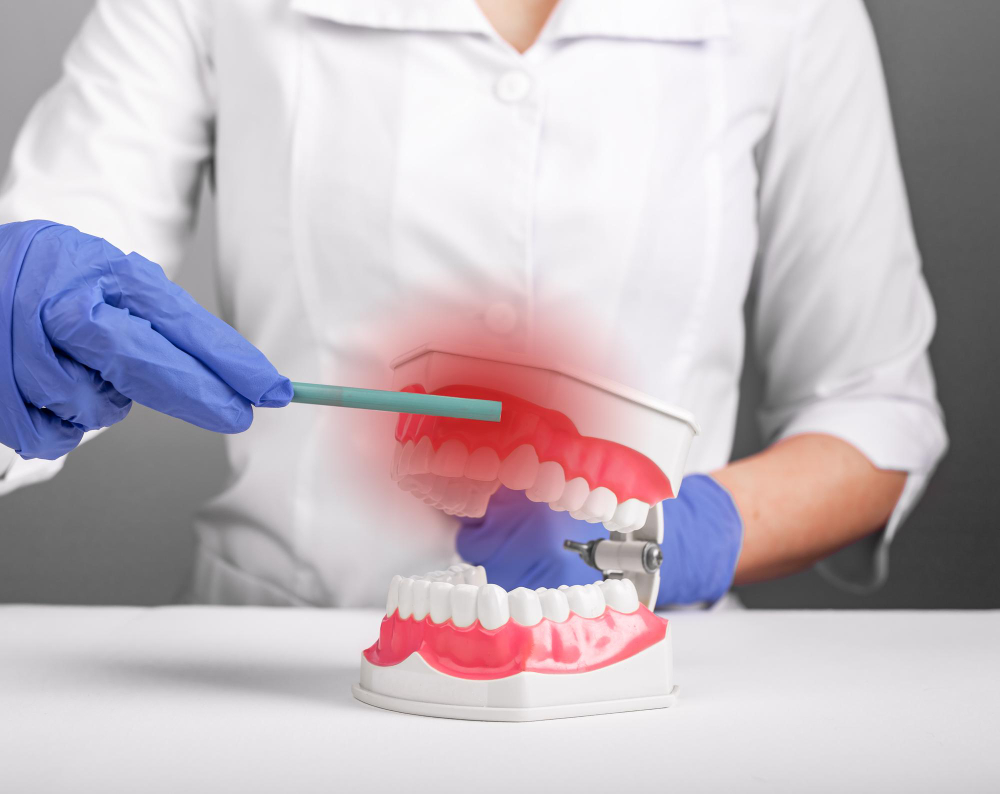
What Is Gum Disease?
Gum disease is an infection of the tissues that support your teeth. It starts with plaque, a sticky film of germs on your teeth. Over time, this can cause your gums to swell, bleed, or pull away from your teeth. If not treated, gum disease can lead to tooth loss. Many people do not notice early signs. However, regular dental checkups can help catch problems early.
What Is Diabetes?
Diabetes is a long-term condition that affects how your body uses sugar. When you have diabetes, your blood sugar levels are too high. This can happen because your body does not make enough insulin or cannot use it well. Insulin is a hormone that helps move sugar from your blood into your cells. There are two main types: type 1 and type 2. Both types can cause serious health problems if not managed well.
The Link Between Gum Disease and Diabetes
Researchers have found a strong link between gum disease and diabetes. In fact, each condition can make the other worse. For example, high blood sugar can make gum infections more likely. At the same time, gum disease can make it harder to control blood sugar. This two-way relationship is called the “gum disease and diabetes connection.” The CDC and American Diabetes Association both highlight this link.
How Gum Disease Affects Diabetes Control
Gum disease causes inflammation in your mouth. This inflammation can spread and affect your whole body. As a result, it can make it harder for your body to use insulin. Because of this, your blood sugar may rise. Studies show that treating gum disease can help improve blood sugar control. Therefore, controlling gum disease is important for better diabetes management.
How Diabetes Affects Gum Health
When blood sugar is high, it can weaken your immune system. This makes it harder for your body to fight off infections, including those in your mouth. For this reason, people with diabetes are at higher risk for gum disease. Also, high blood sugar can slow healing after dental treatments. So, keeping blood sugar in check helps protect your gums.
Symptoms to Watch For
It is important to know the signs of gum disease and diabetes. Early treatment can prevent serious problems. Watch for these symptoms:
If you notice any of these signs, talk to your dentist or doctor.
Diagnosis and Monitoring
Regular checkups help catch problems early. Dentists check your gums for signs of infection or damage. They may use a small tool to measure the space between your teeth and gums. Blood tests can check your blood sugar levels. For people with diabetes, doctors often use the A1C test to see how well blood sugar is controlled. Early diagnosis helps prevent serious issues.
Treatment Options for Both Conditions
Treating gum disease and diabetes often involves a team approach. Dentists and doctors work together to help you stay healthy. Treatment options include:
In some cases, more advanced dental treatments may be needed. However, early care can prevent these steps.
Lifestyle Tips for Managing Gum Disease and Diabetes
Healthy habits can make a big difference. For example, brushing and flossing every day helps remove plaque. Eating a balanced diet supports both oral health and blood sugar control. Try these tips:
Because small changes add up, try to make healthy choices each day.
Prevention Strategies
Preventing gum disease and diabetes complications is possible. First, keep your blood sugar in a healthy range. Second, practice good oral hygiene. Third, see your dentist and doctor regularly. Some helpful prevention strategies include:
With these steps, you can lower your risk and protect your health.