
Introduction
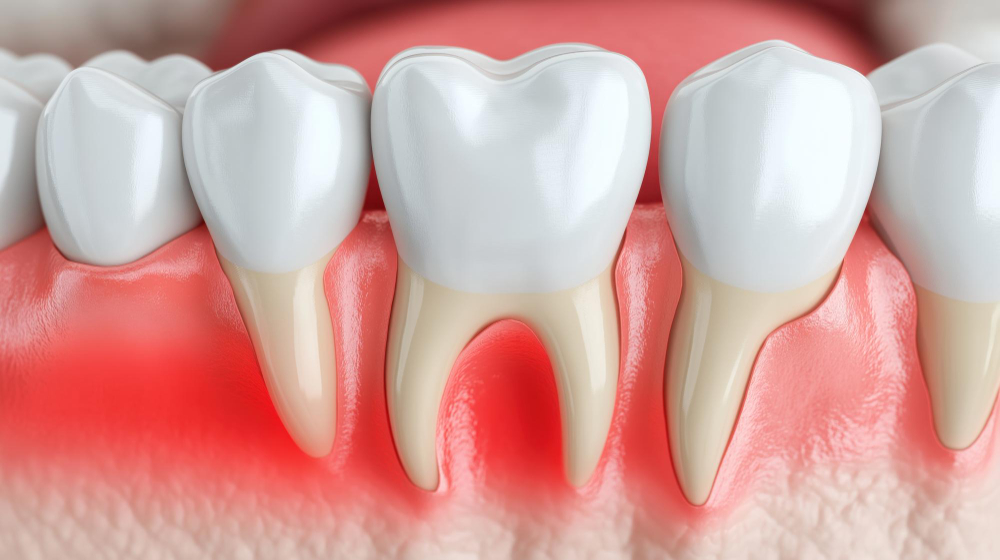
Periodontal disease is a common problem that affects the gums and bones supporting your teeth. Many people call it gum disease. Early care is important because untreated periodontal disease can lead to tooth loss. Understanding its causes, stages, and treatment helps you protect your oral health. With the right steps, you can prevent gum disease and keep your smile healthy.
What Is Periodontal Disease?
Periodontal disease is an infection of the tissues around your teeth. First, it starts with gum inflammation. Over time, it can damage the bone that holds your teeth. While mild cases may cause little discomfort, advanced disease can lead to loose teeth or even tooth loss. Therefore, knowing about this condition is key to keeping your mouth healthy.
Causes of Periodontal Disease
Many factors can lead to periodontal disease. However, the main cause is plaque. Plaque is a sticky film of bacteria that forms on your teeth. If you do not remove plaque daily, it can harden into tartar. Tartar is harder to clean and can cause more problems. In addition, other factors can increase your risk:
Because these factors can add up, it is important to practice good oral care every day.
Stages of Periodontal Disease
Periodontal disease develops in stages. Each stage affects your gums and teeth differently. Early detection makes treatment easier. Here are the main stages:
Because the disease gets worse over time, early care is best.
Symptoms to Watch For
Recognizing the signs of periodontal disease helps you seek care early. Not all symptoms are painful, so regular dental checkups are important. Watch for these signs:
If you notice any of these symptoms, see your dentist soon. Early gum disease treatment can prevent more serious problems.
Diagnosis of Periodontal Disease
Dentists use several steps to diagnose periodontal disease. First, they check your gums for swelling, redness, or bleeding. Next, they measure the space between your teeth and gums. Deeper spaces can mean gum disease. X-rays may also be used to see if bone loss has occurred. Because early detection is key, regular dental visits are important for everyone.
Treatment Options
Treatment depends on the stage of periodontal disease. Early stages are easier to treat. Your dentist may suggest:
After treatment, good oral hygiene is vital to prevent the disease from returning. Your dentist will guide you on the best gum disease treatment for your needs.
Prevention and Oral Care Tips
Preventing gum disease is possible with daily care. Here are some oral hygiene tips to help you keep your gums healthy:
Because prevention is easier than treatment, make these habits part of your daily routine. In some areas, water may have less fluoride, so ask your dentist if you need supplements.
Conclusion
Periodontal disease can harm your gums and teeth if left untreated. However, with early care and good habits, you can prevent serious problems. Remember to watch for signs of periodontal disease and see your dentist regularly. Consult Dr. Vandana Tripathi for personalized advice on periodontal disease.