
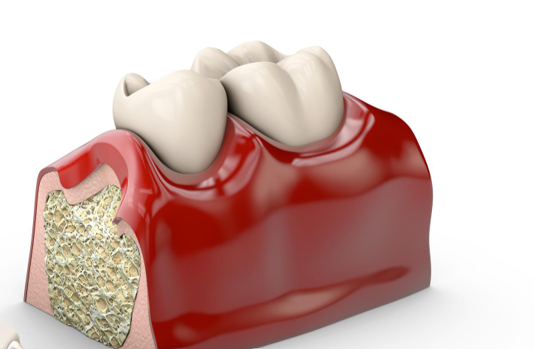
What Is Bone Grafting?
Bone grafting is a dental procedure that helps rebuild or add bone to your jaw. Dentists use it when your jawbone is too thin or weak. Often, bone grafting supports dental implants or helps with other dental restorations. In simple terms, it gives your jaw the strength it needs for healthy teeth and gums.
Why Is Bone Grafting Needed in Dentistry?
Sometimes, people lose bone in their jaw. This can happen for many reasons. For example, tooth loss, gum disease, or injury may cause bone loss. Without enough bone, dental implants may not stay in place. Therefore, bone grafting is important for:
As a result, bone grafting helps you get a strong, healthy smile.
Types of Bone Grafts Used in Dentistry
There are several types of bone grafts. Your dentist will choose the best one for you. The main types include:
Each type has its benefits. However, your dentist will explain which is best for your needs.
The Bone Grafting Procedure: Step-by-Step
Knowing what to expect can ease your mind. Here is a simple step-by-step guide:
Most bone grafting procedures are done in the dental office. Usually, you can go home the same day.
Recovery and Aftercare Tips
After bone grafting, proper care is important. Here are some helpful tips:
If you notice pain, swelling, or bleeding that does not stop, contact your dentist right away. Most people heal well with good care.
Risks and Potential Complications
Bone grafting is safe for most people. However, like any oral surgery, there are some risks. These may include:
Although these problems are rare, your dentist will discuss them with you. Following aftercare instructions lowers your risk.
Success Rates and What to Expect
Bone grafting in dentistry has a high success rate. According to dental studies, most bone grafts heal well and support dental implants. Healing time can vary. Usually, it takes a few months for the new bone to grow strong. During this time, your dentist will check your progress. With proper care, bone grafting can help restore your jawbone and improve your smile. (Source: American Association of Oral and Maxillofacial Surgeons)
Frequently Asked Questions About Bone Grafting
For more information, you can visit trusted sources like the American Dental Association or the CDC.
To sum up, bone grafting is a safe and effective way to restore jawbone health. Consult dentist Vandana Tripathi to find out if bone grafting is right for you.