
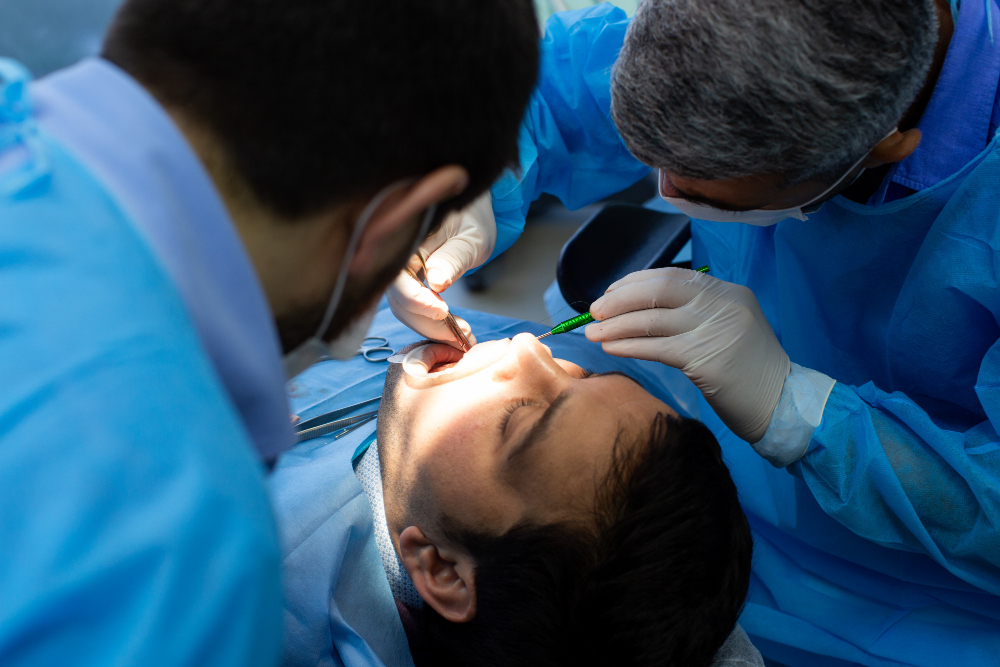
What Is Wisdom Tooth Extraction?
Wisdom tooth extraction is a dental procedure to remove one or more wisdom teeth. These teeth are the last molars at the back of your mouth. Usually, they appear between ages 17 and 25. Sometimes, they cause pain or problems. In such cases, dentists may suggest wisdom tooth extraction. This procedure is common and helps prevent future dental issues.
Common Reasons for Extraction
Many people need wisdom tooth extraction for several reasons. Often, these teeth do not have enough space to grow. As a result, they may become impacted or stuck. Here are some common reasons for removal:
Because these issues can lead to more serious problems, dentists often recommend early removal.
Symptoms Indicating the Need for Extraction
Sometimes, wisdom teeth cause noticeable symptoms. If you have any of the following, you may need wisdom tooth extraction:
However, not everyone has symptoms. For this reason, regular dental checkups are important. Dentists can spot problems early, even if you feel fine.
The Extraction Procedure: Step-by-Step Overview
Understanding the extraction process can ease your worries. Here is a simple step-by-step overview:
Most procedures take less than an hour. However, complex cases may take longer.
Recovery Process and Timeline
After wisdom tooth extraction, recovery usually takes a few days. However, some people may need up to two weeks. Here is what you can expect:
Most people return to normal activities within a week. But, you should follow your dentist’s advice for a smooth recovery.
Aftercare Tips for Faster Healing
Proper aftercare for wisdom tooth extraction is key to healing well. Here are some helpful tips:
Because good care speeds up recovery, always follow your dentist’s instructions. If you notice severe pain, heavy bleeding, or signs of infection, contact your dentist right away.
Potential Risks and Complications
Although wisdom tooth extraction is safe, some risks exist. However, most problems are rare. Possible complications include:
Because early treatment helps, report any unusual symptoms to your dentist quickly.
Prevention and Oral Health Maintenance After Extraction
After wisdom tooth removal, keeping your mouth healthy is important. Here are some ways to maintain good oral health:
Because good habits prevent future dental problems, continue caring for your teeth after extraction.
Conclusion
Wisdom tooth extraction is a common and safe procedure. With proper care, most people recover quickly. However, always follow your dentist’s advice for the best results. Consult a dental specialist Dr. Vandana Tripathi for personalized advice on wisdom tooth extraction and recovery.